
 e-mail
Targeting HR with cyberthreats
Why the computers in human resources are especially vulnerable, and how to protect them.
291 articles
Why the computers in human resources are especially vulnerable, and how to protect them.

If you receive a message saying your Facebook account has been blocked for copyright violation, don’t panic. It’s most likely just another phishing scam.

People are receiving phishing e-mail messages with requests for payments for a package delivery, with links to a fake postal service website for making the payment.

Our method for training models to filter out spam lets you maintain privacy without losing efficiency.

Some of the most commonly encountered Internet scams related to Amazon.

Scammers have created hundreds of phishing pages with fake item giveaways, aiming to steal PUBG mobile account credentials.

Seven safety and security rules to keep in mind when buying games and in-game items.

To bypass antiphishing technologies, malefactors can use legitimate e-mail service providers, or ESPs — but dangerous letters aren’t unstoppable.

Tips for thrifty gamers, such as how to protect yourself from malware when choosing a free-to-play game and filter out the garbage that is not worth your time and attention.

As soon as Facebook announced grants for coronavirus-hit businesses, scammers went phishing.

The most common ways PayPal users are cheated out of their money through spam, phishing, and various kinds of fraud on the platform.

Phishing links in e-mails to company employees often become active after initial scanning. But they still can and must be caught.

Cybercriminals have adopted the marketing tool for information collection.

The DeathStalker group targets relatively small companies and their trade secrets.

The DMARC mechanism has its drawbacks, but we have developed a technology to fix them.

How attackers hunt for Battle.net accounts in World of Warcraft, aiming to get valuable content.

Your online finances need proper protection. Learn how to secure your PayPal account.

A detailed look at a phishing site masquerading as an e-mail scanner and its attempts to snag victims.
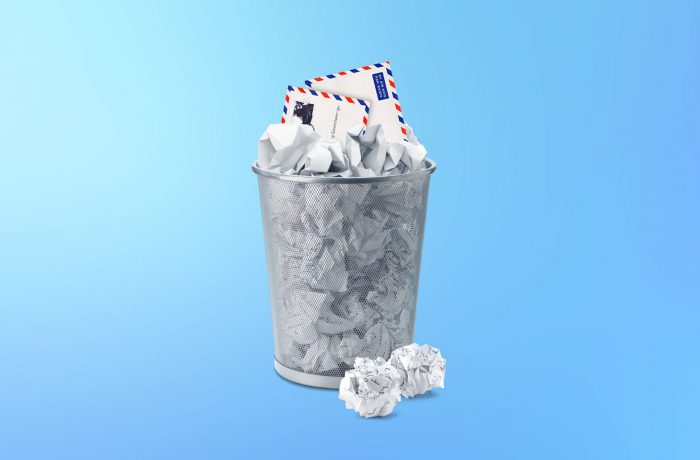
We examined the contents of Kaspersky’s CEO’s spam folder to find out what spammers and phishers think might entice him.


 Facebook
 scam
scam phishing
 gamers