
 AI
Cyber Immunity lessons for AI agents
How to apply Secure by Design ideas when rolling out AI agents.
105 articles
How to apply Secure by Design ideas when rolling out AI agents.
AI has learned how to quickly gather scattered details about a person, link their accounts together, and turn a digital footprint into a detailed dossier. We look at how artificial intelligence is changing doxing — and what you can do to make deanonymization harder.

Let’s look at how to use AI as a resume editor without oversharing to build a document that gets past automated screening systems and catches a recruiter’s eye.
We examine the impact of AI dependency on an organization’s cybersecurity.

What tokenomics is, and how the value of AI tokens has become a cybersecurity issue.

A new feature in the ChatGPT app for macOS keeps a detailed log of everything you do on your computer, and stores that data in a freely readable text file. We assess the benefits, the risks, and settle on a plan of what to do.

We explain how to use AI the right way for schoolwork, how to fact-check chatbot responses, and how to protect your personal data.

How one “cybersecurity expert” published 445 books on Amazon in a single year — and what that means for anyone trying to learn something real in the age of AI slop.
An analysis of key characteristics of AI agent-driven cyberattacks, why open-source models are sufficient to execute them, and what measures can help defend an organization.

A look into silent phone calls, how they relate to modern scam tactics, and where artificial intelligence fits in

We analyze the first-ever real-world incidents where attackers targeted AI agents deployed in corporate environments.

Researchers have shown that a single text message can trick Gemini into opening the windows of your house or launching a Zoom call, or poisoning its own long-term memory. How do you protect yourself against these attacks?

Before launching a phishing attack, attackers initiate correspondence with the victim.
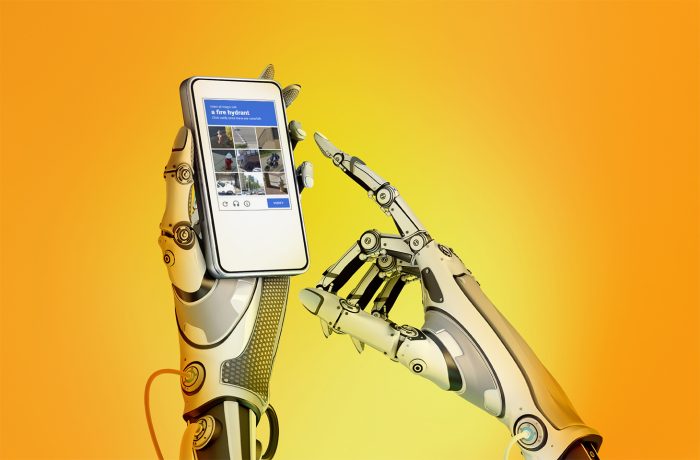
For over a decade, internet users have had to squint at blurry fire hydrants, bridges, and bicycles — until AI came along. What’s next for the CAPTCHA?

We break down the core challenges and potential solutions for building a fully autonomous security operations center.

How to detect and block unauthorized AI tools in an organization.

Kaspersky experts have found that a single fraudulent message in a messaging app leads to an average loss of $733. We break down new AI-powered messaging scam schemes, provide platform-specific statistics, and offer tips on how to protect yourself from digital fraudsters.

High-level strategies for locking down popular AI tools that are either unneeded or outright banned under corporate policy.

Attempts at hijacking AI resources are now taking place on an industrial scale. How is AI infrastructure being targeted, and what defensive measures should you implement?

Building a functional app without programming skills is now a possibility, but maintaining it and ensuring cybersecurity remains a challenge. Here are several protective measures that even non-technical creators can implement.

We’re diving into how the Be My Eyes app helps blind and low-vision users, checking if it’s actually effective at spotting cyberthreats, and sharing essential safety tips for the visually impaired community.
 doxing
 ChatGPT
 kids
 Kaspersky Who Calls