
 tips
tipsSo, your account was hacked. What now?
What to do if an account is hijacked: How to minimize damage, restore your Digital Comfort Zone, and avoid getting bamboozled.
928 articles
What to do if an account is hijacked: How to minimize damage, restore your Digital Comfort Zone, and avoid getting bamboozled.

How attackers hunt for Battle.net accounts in World of Warcraft, aiming to get valuable content.

Your online finances need proper protection. Learn how to secure your PayPal account.

A detailed look at a phishing site masquerading as an e-mail scanner and its attempts to snag victims.

Life has made a dramatic shift online in 2020. Our solutions will help you avoid unnecessary stress in the new reality.

We examined the contents of Kaspersky’s CEO’s spam folder to find out what spammers and phishers think might entice him.




A particular type of malware seeks user credentials, including accounts for gaming services such as Origin, Battle.net, and Uplay.

The abundance of work-related cloud tools and services calls for smart password handling.

As governments worldwide implement support measures for pandemic-hit citizens and businesses, online scammers strive to cash in.

BEC attacks that use compromised mailboxes are especially dangerous. Here’s how we learned to identify them.

Your parents brought you into the digital world. Time to return the favor and raise them right as well.

How scammers are exploiting delivery problems during the epidemic — and how not to fall for their tricks.

Did you have a chance to train your employees in the basics of information security before sending them off to work from home?

How can you make your parents secure, technologically speaking? By setting up protection remotely, without visiting them.
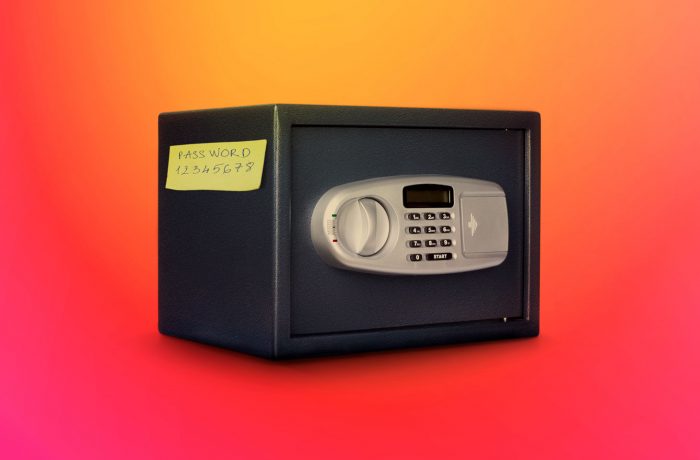
When it comes to information security, we’re seeing the same mistakes over and over again.

With everyone stuck at home to avoid COVID-19 exposure, working, socializing, and even homeschooling online, cybercriminals see a smorgasbord of ways to exploit the situation.

While auditing Web applications, our experts found a vulnerability to enumeration attacks. Here is a description of the problem and how to combat it.

Learn how to protect your Twitch account, block spammers and haters, and make chat easy and secure.
 gamers
 phishing
 Digital Comfort Zone
 spam
spam passwords
 remote work