
 products
Kaspersky’s antitrust complaint against Apple in Russia
All about why Kaspersky filed an antitrust complaint against Apple in Russia.
3821 articles
All about why Kaspersky filed an antitrust complaint against Apple in Russia.

Systems designed to guard against car theft can be used to track, immobilize, and steal vehicles.

Why Kaspersky Internet Security for Android and Safe Kids are set to lose some features.

To hijack popular Instagram accounts, scammers are sending phishing e-mails with fake copyright infringement notifications.

Our proactive technologies detected yet another Windows exploit that was used in APT attacks.

Despite the plunge in cryptocurrency values, not only has cryptojacking not declined, it is growing rapidly.

This year’s International Women’s Day is all about balance, as we see in the related hashtag #BalanceforBetter, so let us aim to encourage more women to enter the tech and cybersecurity sector.

A close look at Pirate Matryoshka malware, and why even inveterate pirates should not download cracked software from torrent trackers.

The hidden dangers of out-of-office messages.

Mobile World Congress 2019 recapped: 5G, Internet of Things, ultrasonic fingerprint sensors, and artificial intelligence.
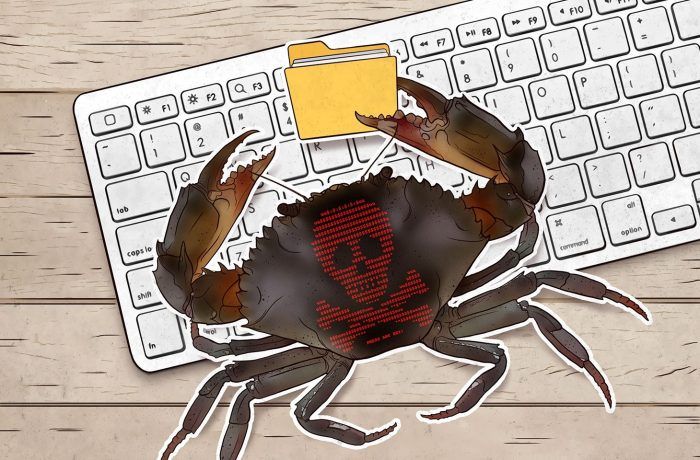
GandCrab still holds 40% of the ransomware market. Recent distribution methods help the malware stand out.

Analysis of Sauron’s hacking tools implemented in the devices known as Rings of Power.

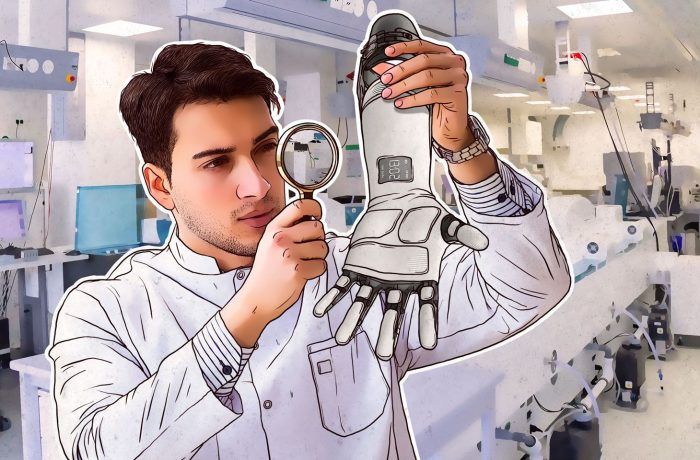
At Mobile World Congress 2019, our experts presented a study on the security of Motorica smart artificial limbs.

Antivirus for Android is a must. Here’s how to choose the best antivirus app, either paid or free, for your Android phone.

Adult websites are often seen as a security threat, but few know that Trojans could be after their porn site accounts.

Can an ATM turn into a slot machine? WinPot malware helps its owners win big at the “ATM game.”

We detect a spike in activity from Trojans targeting mostly accountants who work in small and midsize businesses.

Too many ads on your computer lately? Malicious Chrome extensions might be to blame.

The process is undoubtedly underway, but it is going much slower than enthusiasts like to think.

Does saying “hyphen” five times to your iPhone really crash it — or is that just another myth?
 IoT
IoT vulnerabilities
 cryptojacking
 threats
 truth
truth